Whether you're moving, downsizing, renovating, or simply running out of space, choosing the right type of storage unit is an important decision. One term you'll often see while comparing storage options is "climate-controlled storage." While many people have heard the phrase, not everyone understands what it actually means or whether they need it.
In a place like Beaumont, where hot summers and high humidity are common, understanding how climate-controlled storage works can help you make a more informed decision. If you're looking for secure self-storage in Beaumont, climate control is one feature worth evaluating before choosing a unit.
What Is Climate-Controlled Storage?
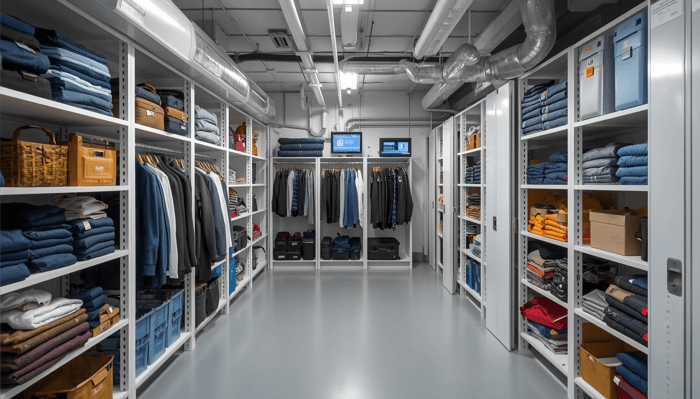
A climate-controlled storage unit is a storage space designed to maintain a more consistent temperature and humidity level than a traditional storage unit. Unlike standard units exposed to outdoor weather conditions, climate-controlled units are typically located inside enclosed buildings and are regulated by heating, ventilation, and air conditioning systems.
The primary goal is to reduce extreme temperature fluctuations and limit excess moisture that could affect sensitive belongings over time. Climate-controlled storage does not mean items are kept at a perfect room temperature year-round, but it does provide a more stable environment than a standard unit.
How Climate-Controlled Storage Differs From Standard Storage
The biggest difference between climate-controlled and traditional storage comes down to environmental conditions.
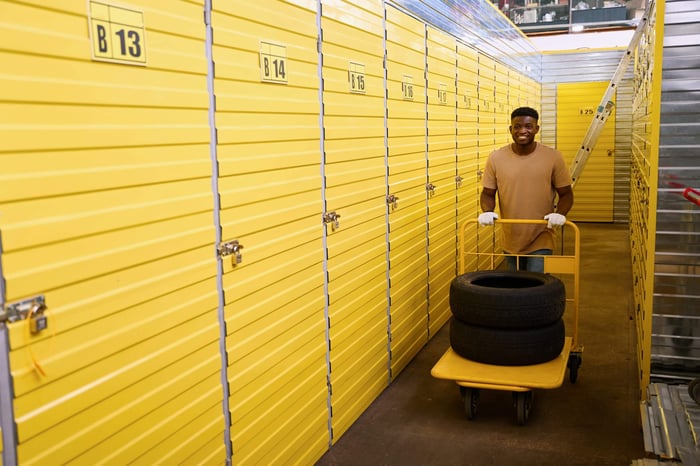
A standard storage unit protects your belongings from rain, direct sunlight, and other outdoor elements. However, temperatures inside the unit may rise or fall based on seasonal weather conditions.
Climate-controlled units are designed to reduce those fluctuations. By maintaining more consistent temperature and humidity levels, they can help protect certain items from warping, cracking, mildew, mold growth, and moisture-related damage.
For many everyday household items, standard storage works perfectly well. Climate control becomes more important when storing items that are particularly sensitive to heat or humidity.
What Items Benefit Most From Climate-Controlled Storage?
Not everything requires climate control, but some belongings are more vulnerable than others.
Wood furniture is one common example. Significant changes in temperature and humidity can cause wood to expand, contract, crack, or warp over time. Antiques and heirloom furniture may be particularly susceptible to these changes.
Electronics can also benefit from a more stable environment. Computers, televisions, audio equipment, gaming systems, and other electronic devices contain components that may be affected by excessive moisture.
Important documents, photographs, books, and paper records are often stored in climate-controlled units because humidity can contribute to deterioration, mildew, and discoloration.
Other items commonly stored in climate-controlled environments include artwork, collectibles, musical instruments, leather furniture, family heirlooms, business records, photographs, and sensitive fabrics.
If an item would be uncomfortable sitting in a hot attic or damp garage for several months, it may be worth considering climate-controlled storage.
Why Climate Control Matters in Beaumont
Beaumont's climate plays a significant role in this discussion.
According to the official National Weather Service Lake Charles Forecast Office, Southeast Texas regularly experiences high temperatures and elevated humidity levels throughout much of the year. These conditions can create an environment where moisture becomes a concern for certain stored belongings.
Humidity is often just as important as temperature. Excess moisture can contribute to mildew, mold growth, odors, and the gradual deterioration of sensitive materials. Climate-controlled units help create a more stable storage environment, reducing those risks.
This doesn't mean every item in Beaumont requires climate-controlled storage. It simply means local weather conditions make climate control worth considering for certain categories of belongings.
When Standard Storage Is Usually Enough
Many renters assume climate control is necessary for everything, but that's not always the case.
Standard storage units work well for many common household items, including lawn equipment, tools, patio furniture, plastic storage bins, seasonal decorations, sporting equipment, outdoor gear, and appliances designed for garage storage.
If the items are durable and not particularly sensitive to temperature or humidity, a standard unit often provides all the protection needed.
For short-term storage during a move, many renters also find that standard storage adequately meets their needs. In many cases, climate control becomes most valuable when items will remain in storage for extended periods.
Is Climate-Controlled Storage More Expensive?
Generally, yes.
Because climate-controlled facilities require additional building systems and ongoing temperature management, these units typically cost more than standard storage units.
However, the decision shouldn't be based solely on monthly rent.
When storing valuable furniture, electronics, collectibles, or irreplaceable personal items, many renters view the additional cost as worthwhile protection. The expense of replacing damaged belongings can quickly exceed the difference in rental rates.
Climate-Controlled Storage for Businesses
Businesses often benefit from climate-controlled storage as well.
Many companies store archived records, client files, marketing materials, product inventory, electronics, and office equipment. A stable environment can help protect important business assets while keeping office and retail spaces less cluttered.
For small businesses in Beaumont, storage can provide a cost-effective alternative to leasing larger commercial properties simply to gain additional storage space.
Questions to Ask Before Renting
If you're considering climate-controlled storage, ask a few important questions before choosing a unit.
How long will the items be stored? What types of belongings are going into storage? Would those items be comfortable sitting in a garage, shed, or attic for several months? How often will you need access?
The answers can help determine whether climate control makes sense for your situation.
In many cases, renters discover that only a portion of their belongings truly requires a climate-controlled environment. Taking inventory before renting can help you choose the right unit and avoid unnecessary expenses.
Local Resources for Beaumont Residents
Beaumont continues to grow as a regional center for business, education, healthcare, and industry. Residents interested in local services, community programs, and government resources can visit the official City of Beaumont website.
For information on regional weather conditions, emergency preparedness, and severe weather updates, residents can visit the Jefferson County Office of Emergency Management, which provides resources relevant to Southeast Texas communities.
These resources can be useful when planning a move, preparing for seasonal weather changes, or evaluating long-term storage needs.
Final Thoughts
A climate-controlled storage unit is designed to maintain a more stable environment by reducing extreme temperature and humidity fluctuations. While not every item requires climate control, it can provide valuable protection for furniture, electronics, documents, photographs, collectibles, and other sensitive belongings.
Whether you're storing items for a few months or several years, understanding the differences between standard and climate-controlled storage can help you make a smarter decision. If you're comparing options for a Beaumont storage unit, choosing the right environment today can help protect your belongings and provide greater peace of mind over the long term.