Living in Beaumont means getting used to the warm, humid conditions that come with life near the Gulf Coast. That climate is part of Southeast Texas, but it can create challenges when you need to store furniture, electronics, documents, collectibles, and other sensitive belongings for an extended period. Choosing self-storage in Beaumont, TX with climate-controlled options can provide a more stable environment for items that may not respond well to prolonged heat and humidity.
Why Beaumont's Climate Matters for Storage
Beaumont's location near the Gulf of Mexico contributes to warm temperatures and high humidity throughout much of the year. National Weather Service observations for the Beaumont and Port Arthur area regularly show periods of high relative humidity, particularly overnight and during the morning. Those conditions are worth considering when deciding where to store belongings sensitive to environmental changes.
Humidity is moisture in the air, and that moisture can affect materials differently over time. Wood can expand or contract, paper can absorb moisture, and fabrics may become vulnerable to musty odors or mildew when stored improperly. Heat can add another layer of concern for electronics, photographs, artwork, and other delicate possessions.
The TexasET Network from Texas A&M AgriLife provides historical relative humidity information for communities across Texas, showing how humidity levels vary throughout the state and seasons. For people storing belongings in Southeast Texas, the broader lesson is simple: environmental conditions should be considered when choosing a storage option.
What Is Climate-Controlled Storage?
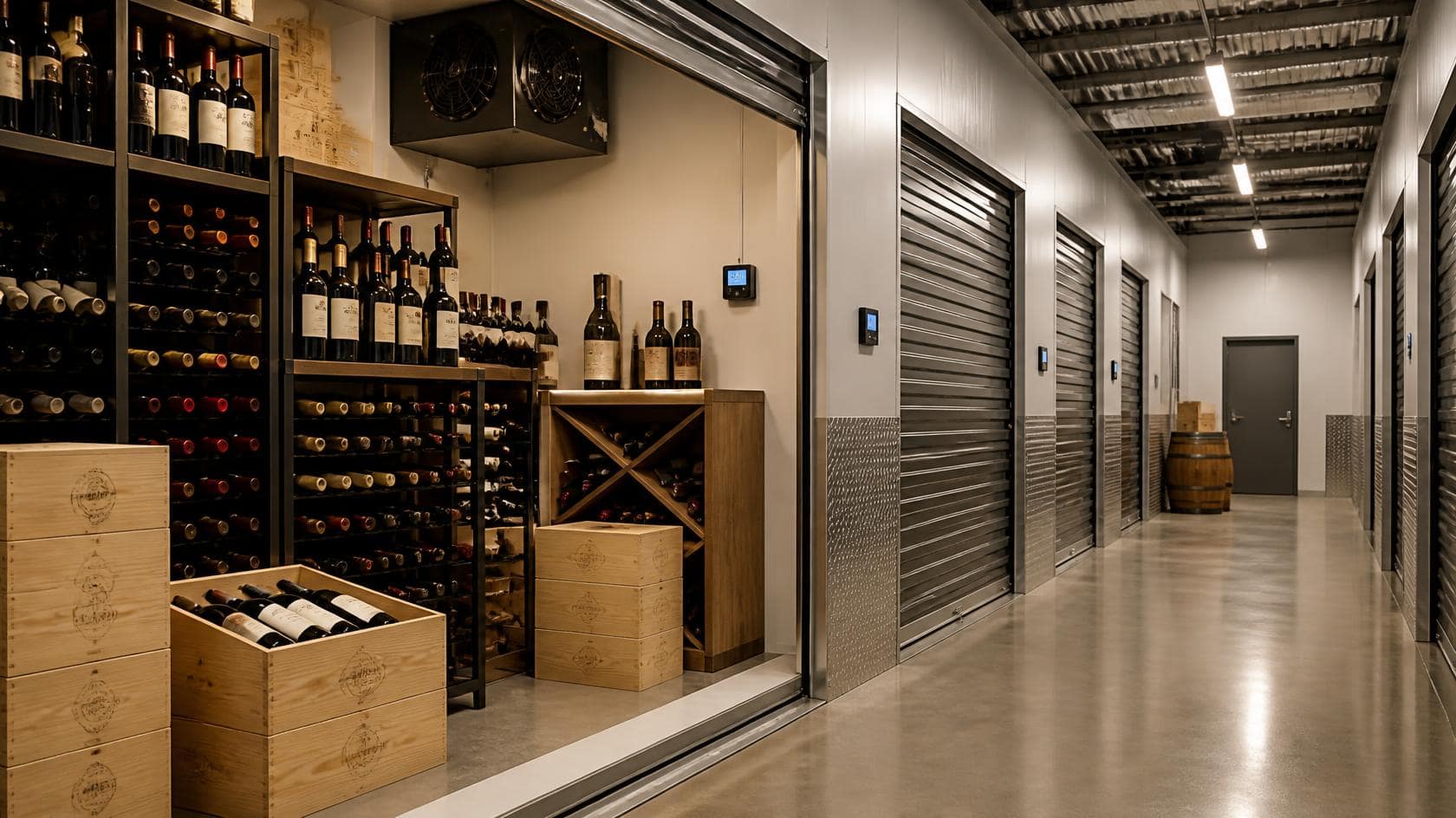
Climate-controlled storage is designed to maintain a more consistent indoor environment than a standard storage unit. These spaces typically moderate temperatures year-round, and some facilities may also manage humidity. Exact conditions vary by property, so it is always worth asking what a particular facility means by climate control.
A traditional storage unit provides useful space and protection from the elements, but its interior temperature may fluctuate more in response to outdoor conditions. Climate-controlled units offer another layer of protection by reducing exposure to temperature extremes. Our complete guide to climate-controlled storage in Beaumont explains how these units work and when choosing one may make sense.
Furniture Can Be Sensitive to Humidity
Wood furniture is among the most common items that can benefit from a more stable storage environment. Changes in moisture and temperature may cause wood to expand, contract, warp, or develop other problems over time. Antique or sentimental furniture deserves particular consideration because damage may be difficult or impossible to reverse.
Upholstered furniture has different concerns. Fabric and cushioning can absorb moisture and odors, particularly if an item is packed away before it is completely clean and dry. Cleaning furniture before storage and allowing it to dry thoroughly can reduce the chance of unpleasant surprises later.
Avoid wrapping wood or upholstered furniture tightly in moisture-trapping materials. Breathable furniture covers can help protect against dust while allowing better airflow. Whenever possible, leave some space between large pieces rather than packing everything tightly against walls.
Electronics Need Extra Consideration
Televisions, computers, gaming systems, speakers, cameras, and other electronics contain components that can be sensitive to moisture and extreme temperatures. Condensation is another potential concern when electronics move between environments with significantly different temperatures. For valuable equipment, a more consistent storage environment may be worth the additional consideration.
Prepare electronics before placing them in storage by removing batteries where appropriate and backing up important data. Original packaging is often useful because it was designed to protect the device during transportation. If the original box is gone, use sturdy containers and adequate cushioning without packing devices while they are damp or warm.
Give electronics time to adjust to room temperature after removing them from storage before immediately turning them on. This is particularly sensible when there is a noticeable difference between the storage environment and the room where the device will be used.
Documents, Photos, and Books Can Absorb Moisture
Paper is particularly vulnerable to poor storage conditions because it readily reacts to moisture. Important documents, photographs, books, family records, and artwork can curl, discolor, stick together, or develop mildew when exposed to unsuitable conditions for long periods. Replacing some documents is possible, but photographs and family keepsakes may be irreplaceable.
Place important papers and photographs in appropriate archival-quality containers whenever possible. Avoid storing cardboard boxes directly on a concrete floor, and make sure everything is completely dry before packing. Plastic bins can provide additional protection against accidental moisture exposure, although sensitive archival materials may require more specialized storage methods.
Businesses should take similar precautions with paper records, inventory, and equipment. Companies that have outgrown closets or back rooms can learn more about organizing excess supplies and records in our guide to business storage in Beaumont.
Clothing and Fabrics Need to Be Stored Clean and Dry
Seasonal clothing, bedding, linens, rugs, and other textiles are common candidates for storage. Before packing them away, wash or professionally clean everything and make sure each item is completely dry. Even a small amount of trapped moisture can contribute to odors or mildew over time.
Use clean containers and avoid stuffing fabrics into spaces where there is no room for air circulation. Delicate clothing may need garment bags or other specialized protection rather than being compressed into a box. Rugs should also be cleaned and thoroughly dried before storage.
Climate control can be particularly useful for sentimental textiles such as wedding dresses, quilts, vintage clothing, or inherited fabrics. These items may spend months or years in storage, making their environment more important than it would be for something stored for a few days.
Climate Control Helps, but Packing Still Matters
Choosing climate-controlled storage does not eliminate the need to pack carefully. Belongings should still be cleaned, dried, wrapped, boxed, and organized appropriately before entering the unit. Climate control creates a more stable environment, but it cannot correct problems caused by packing damp furniture or placing fragile items underneath heavy boxes.
Use sturdy containers and label them clearly so you can find belongings without repeatedly opening boxes. Shelving can help keep containers organized and off the floor while also improving accessibility. Leaving a small aisle through the unit makes it easier to retrieve something from the back without unpacking everything else.
Think about how long each item will remain in storage as well. Something stored for a few weeks during a move has different needs from family photographs, furniture, or collectibles that may stay in the unit for a year or longer. The longer the storage period, the more worthwhile careful preparation becomes.
When Climate-Controlled Storage Makes Sense
Climate control is worth considering when storing belongings that would normally be kept in an air-conditioned home or office. Furniture, electronics, photographs, documents, artwork, books, musical instruments, collectibles, and certain clothing are common examples. Value matters too, particularly when an item would be expensive or impossible to replace.
Beaumont's Gulf Coast climate makes this decision especially relevant. National Weather Service climate data for Beaumont and Port Arthur illustrates the area's warm conditions, while local observations regularly record periods of high relative humidity. A storage environment that moderates those conditions can provide additional peace of mind for sensitive belongings.
Before renting, ask the facility which units are climate controlled and what conditions are maintained. You should also consider unit size, access, security features, location, and how frequently you expect to visit. Climate control is one part of choosing the right storage space, not the only factor.
Protect Your Belongings in Beaumont
Southeast Texas heat and Gulf Coast humidity are normal parts of living in Beaumont, but they deserve extra attention when belongings will be stored for months at a time. Choosing the right environment and preparing items carefully can help protect furniture, electronics, photographs, documents, clothing, and other possessions from unnecessary exposure to changing conditions.
Climate-controlled storage can be particularly useful for belongings that would normally stay inside your home, especially when they have financial or sentimental value. When you need additional space, storage units in Beaumont, TX can help you find a storage option suited to your belongings and the Southeast Texas climate.